
- Home
- Health & Pest Control
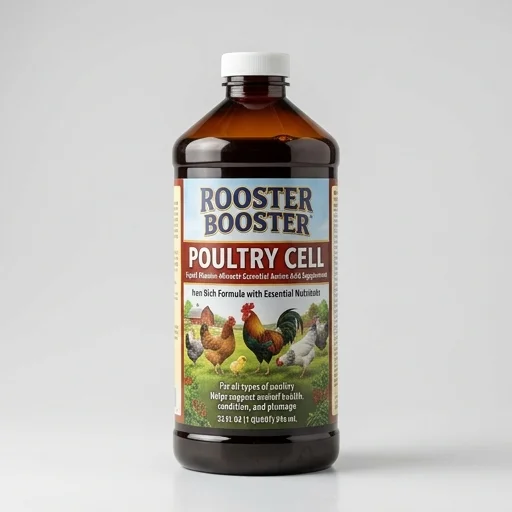
- Rooster Booster Poultry Cell
 Health & Pest Control
by Rooster Booster
Rooster Booster Poultry Cell
Rooster Booster Poultry Cell is a solid, budget-friendly supplement for backyard flock keepers looking to boost overall vitality, egg output, and recovery after stress events like molting or heat waves.
- Boosts egg production
- Speeds molt recovery
- Supports flock vitality
- Container Size
- 5 lb (2.27 kg)
- Form
- Water-soluble powder
- Primary Nutrients
- Vitamins A, D3, E, K, B-complex
As an Amazon Associate we earn from qualifying purchases. Prices and availability are shown on Amazon.
The verdict
Rooster Booster Poultry Cell is a solid, budget-friendly supplement for backyard flock keepers looking to boost overall vitality, egg output, and recovery after stress events like molting or heat waves.
While it isn't a cure-all and requires consistent use, most keepers report visibly healthier, more active birds within a couple of weeks.
Specifications
| Brand | Rooster Booster |
|---|---|
| Category | Health & Pest Control |
| Container Size | 5 lb (2.27 kg) |
| Form | Water-soluble powder |
| Primary Nutrients | Vitamins A, D3, E, K, B-complex |
| Recommended Use | 1 tsp per gallon of water |
| Suitable For | Chickens, turkeys, ducks, game birds |
Key features
- High-potency vitamin, mineral and amino acid supplement for poultry
- Contains B-vitamins, vitamin A, D3, E and K for overall flock health
- Added electrolytes to support hydration during stress or heat
- Formulated to support egg production and shell quality
- Easy to mix in drinking water or feed
- Supports feather growth and molting recovery
Pros & cons
What we like
- Noticeable improvement in energy and activity levels
- Helps hens recover faster after molting season
- Easy-to-use water-soluble powder
- Can be used for chickens, turkeys, ducks and game birds
- Reasonably priced for the size of the container
- Supports stronger eggshells over time
Watch out for
- Strong odor some birds may initially avoid
- Requires consistent daily dosing for best results
- Not a substitute for a balanced feed diet
- Packaging scoop can be awkward for precise measuring
Full review
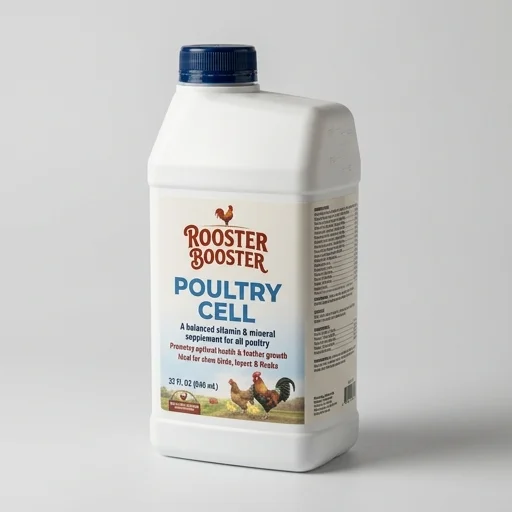
Rooster Booster Poultry Cell is a liquid vitamin and mineral supplement formulated specifically for backyard flocks, designed to give hens, roosters, chicks, and other domestic fowl a concentrated dose of nutrition that supports overall vitality. Mixed into drinking water, this amber-colored tonic delivers B-complex vitamins, iron, and other trace nutrients that help birds recover from stress, molting, illness, or the demands of heavy egg production. Homesteaders often reach for it during seasonal transitions, after a predator scare, or whenever a bird seems a little off its feed, since the fast-absorbing liquid form works quickly compared to dry feed additives.
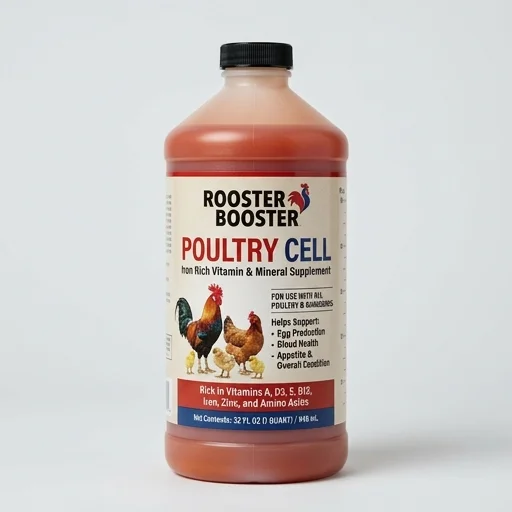
What sets Poultry Cell apart in the supplement aisle is its iron-rich formula, which many keepers associate with improved blood health and quicker recovery in hens that have been injured, are recovering from parasites, or are simply run down from the rigors of free-ranging. The supplement is commonly used as a pick-me-up for weak or lethargic birds, and flock owners frequently add it to the water of newly acquired chickens to help them settle in and adjust to a new coop environment. Its dark, thick consistency is distinctive, and a little goes a long way, making a single bottle last through multiple treatment cycles for a small to mid-sized flock.
Backyard chicken keepers appreciate that Poultry Cell fits easily into routine flock management without requiring complicated dosing schedules or special equipment, since it simply gets added to the waterer according to the label's guidance. It pairs well with other homesteading staples like electrolytes, probiotics, and grit, rounding out a basic toolkit for anyone raising chickens, ducks, turkeys, or game birds in a backyard or small-farm setting. For those focused on preventive care rather than reactive treatment, many add it periodically throughout the year, particularly during molting season, after transport, or during the colder months when natural foraging opportunities decline and birds may need an extra nutritional boost to stay productive and healthy.
Alternatives
Also worth a look
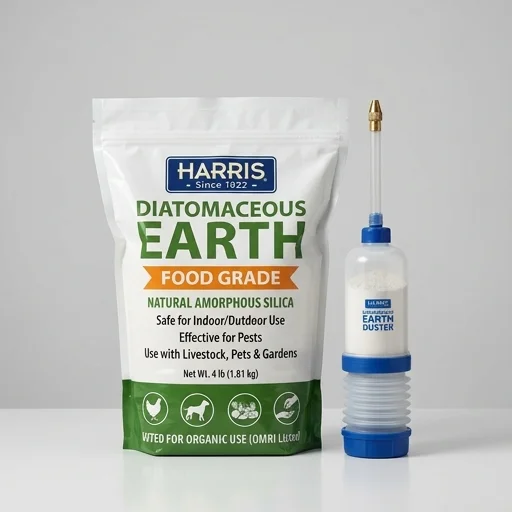 HealthHarris
Harris Diatomaceous Earth Food Grade with Powder Duster
4.6- Natural mite & lice control
- Safe for chickens & eggs
- Easy duster application
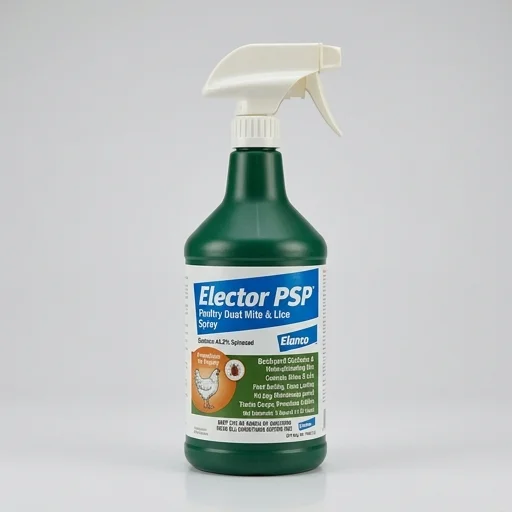 HealthElector PSP
Elector PSP Poultry Dust Mite & Lice Spray
4.6- Fast mite knockdown
- Treats birds and coop
- Low mammalian toxicity
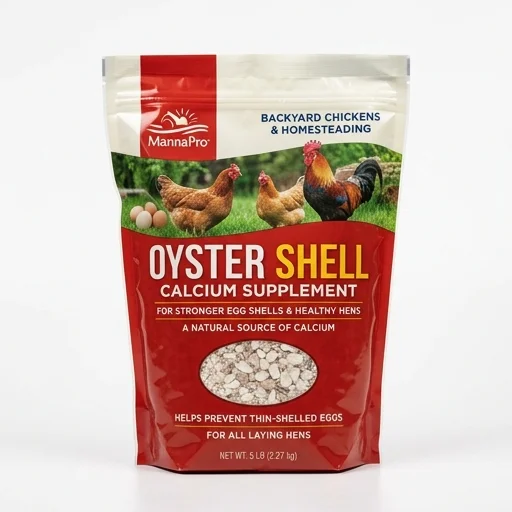 HealthManna Pro
Manna Pro Oyster Shell Calcium Supplement
4.5- Stronger eggshells fast
- Free-choice calcium source
- Supports healthy laying hens
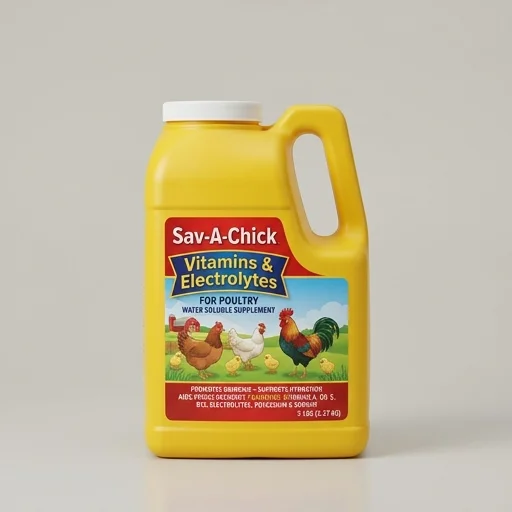 HealthSav-A-Chick
Sav-A-Chick Vitamins & Electrolytes for Poultry
4.5- Boosts chick immunity
- Fights dehydration fast
- Trusted hatchery staple